

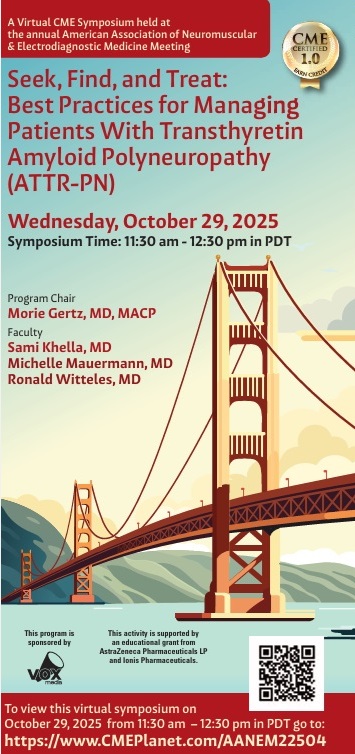
Seek, Find, and Treat: Best Practices for Managing Patients with Transthyretin Amyloid Polyneuropathy (ATTR-PN)
October 29, 2025
In this program, experts Drs. Morie Gertz, Michelle Mauermann, Sami Khella, and Ronald Witteles will describe best practices for the diagnosis, treatment, and monitoring of disease progression in these patients.
CME 1.00 Credits In-Progress
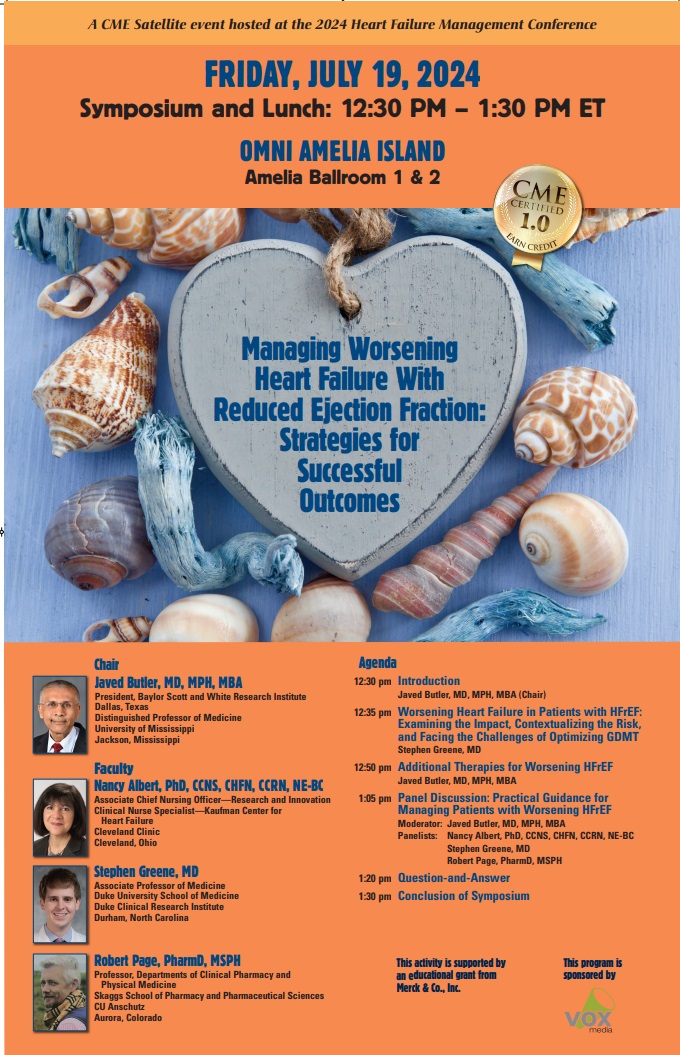
Managing Worsening Heart Failure with Reduced Ejection Fraction: Strategies for Successful Outcomes
August 04, 2024
In this educational initiative, the current definition and clinical impact of WHF will be described, and principles of management explained.
No Credit Available
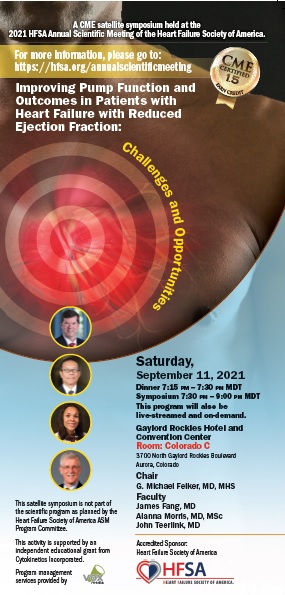
Improving Pump Function and Outcomes in Patients with Heart Failure with Reduced Ejection Fraction: Challenges and Opportunities
March 23, 2022
In this program, HF experts will provide insights into mechanisms and clinical evidence for improving myocardial contractility, and emphasize the need for a more personalized treatment of HFrEF to optimize patient outcomes.
No Credit Available
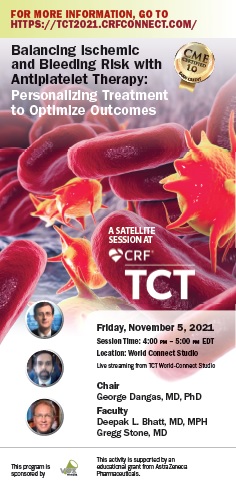
Balancing Ischemic and Bleeding Risk with Antiplatelet Therapy: Personalizing Treatment to Optimize Outcomes
November 04, 2021
This program will address challenges for interventional cardiologists in using antiplatelet therapy, with the overarching focus on balancing the need to reduce ischemic risk and lower bleeding risk.
No Credit Available
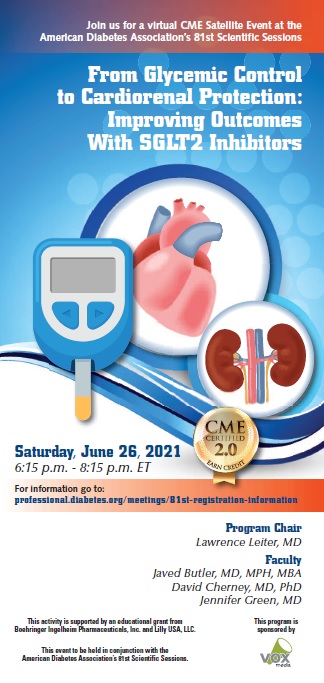
From Glycemic Control to Cardiorenal Protection: Improving Outcomes With SGLT2 Inhibitors
May 15, 2021
Experts Dr. Lawrence Leiter (Chair), Dr. Jennifer Green, Dr. Javed Butler, and Dr. David Cherney from multiple specialties (endocrinology, cardiology, and nephrology) will through lecture, case presentations, and panel discussion, provide perspectives on translating evidence into clinical practice and indicate considerations for using SGLT2 inhibitors safely and effectively in patients with, and at high risk for CV disease, HF, and chronic kidney disease (CKD).
No Credit Available
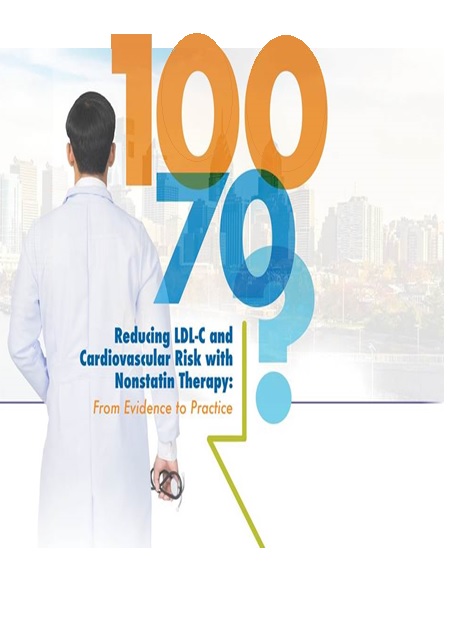
Reducing LDL-C and Cardiovascular Risk with Nonstatin Therapy: From Evidence to Practice
July 02, 2019
In this symposium, lipid experts Dr. Robert Giugliano, Dr. Marc Sabatine, and Dr. James Underberg will describe best practices for internists in managing LDL-C and reducing the risk for major cardiovascular events with the addition of nonstatin therapy.
No Credit Available
Cardiovascular Outcome Trials and Expert Consensus Decision Pathways: Interpreting the Evidence with Nonstatin Therapies
May 21, 2019
No Credit Available
LDL-Cholesterol Lowering and Atherosclerotic Cardiovascular Disease Risk Reduction: Exploring the Evidence With Non-Statin Therapy
June 17, 2018
n this program, lipid experts will present, in state-of-the-art lectures and in 'realworld' interactive cases, optimal strategies and provide 'take-home' messages for reducing risk in patients with elevated LDL-C.
No Credit Available
Improving Outcomes in Patients with Elevated LDL-Cholesterol: A Case-Based Series
January 01, 2018
An informative expert series of lectures including cases with the goal of improving outcomes in patients with elevated LDL-cholesterol
No Credit Available
Heart Failure Management: Exploring Best Practices for the Internist
September 26, 2017
Experts Dr. Javed Butler and Dr. James Januzzi provide helpful insights on the topic of Heart Failure and offer best practices on heart failure management.
No Credit Available
LDL Cholesterol Lowering in the Management of Atherosclerotic Cardiovascular Disease Risk: EMERGING INSIGHTS
April 08, 2017
In this program, Dr. Lynn Braun and Dr. Michael Miller present lectures and case studies addressing the management of atherosclerotic cardiovascular disease along with best practices and treatment options.
No Credit Available
The Perfect Storm of Heart Failure and Diabetes: Insights into Pathophysiology and Evidence-Based Treatment Strategies
November 08, 2016
In this educational initiative, experts will address the needs of cardiologists for 1) a grasp of the relationship between DM and HF and the pathophysiology of HF in DM, 2) an explanation of clinical evidence for HF drugs in patients with DM, and 3) an assessment of the profiles of traditional and newer antidiabetic agents in patients with/at risk for cardiovascular disease and interpretation of heart failure-related outcomes.
No Credit Available